It’s Almost Winter!
Winter Warriors: Essential Plant Care for Your Black Hills Garden
As the crisp air settles in and the first dusting of snow graces the peaks around the Black Hills, the gardening season officially shifts gears. For those of us living in this unique landscape (USDA Plant Hardiness Zones 4b to 5a, generally), winter doesn’t mean “game over” for our outdoor plants. It means it’s time for a specific, proactive care strategy.
Winter in Western South Dakota is challenging. We battle dry Chinook winds, intense high-altitude sun, deep freezes, and rapid temperature swings. These conditions are tough on plant life.
If you want your perennials, trees, and shrubs to emerge healthy next spring, you need to prepare them for battle. This 1000-word guide will walk you through the essential steps Black Hills residents should take now to protect their green investments.
Part 1: The Critical Importance of Fall Watering – Don’t Stop Now!
The single biggest misconception about winter plant care is that you stop watering when the temperature drops. In the Black Hills, this couldn’t be further from the truth. The primary cause of plant death here during winter is not cold; it’s desiccation (drying out).
Our soils are often well-draining, and those warm, dry winds wick moisture away from leaves and needles even when the ground is frozen solid.
How and When to Water
- The “Deep Soak” Method: When you water, do so deeply. Water slowly so that moisture penetrates several inches into the soil. A quick sprinkle does nothing.
- Timing is Everything: Water on warm days (above 40°F) when the ground is not frozen. The goal is to get the water into the soil before a deep freeze locks everything up.
- The Freeze-Thaw Cycle: Continue watering until the ground is frozen solid. Even after it freezes, if we get a mid-winter thaw that lasts a couple of days and the topsoil softens, take advantage of it. Provide water, especially to evergreens.
- Focus Areas: Pay special attention to newly planted trees and shrubs (anything planted within the last 18–24 months), and especially evergreens (pines, spruces, junipers). Evergreens continue to transpire (lose water) all winter long.
Pro-Tip for the Black Hills: Use a screwdriver to check soil moisture. If you can easily push an 8-inch screwdriver into the dirt, you likely have enough moisture. If you can’t, it’s time to water on a warm day.
Part 2: Mulch is a Miracle Worker (And It’s Not Too Late!)
Mulching is vital for winter survival, and no, it is not too late to apply or refresh your mulch. In fact, applying it after a light frost is often ideal.
Why Mulch Matters in Winter
Mulch acts as an insulator, not a heater. Its job in winter is to prevent the rapid freeze-thaw cycles that push plants out of the ground (a process called “frost heaving”). Frost heaving breaks delicate feeder roots and leaves the plant exposed.
Application Advice
- Timing: Apply mulch once the ground has started to cool significantly but before it’s frozen solid.
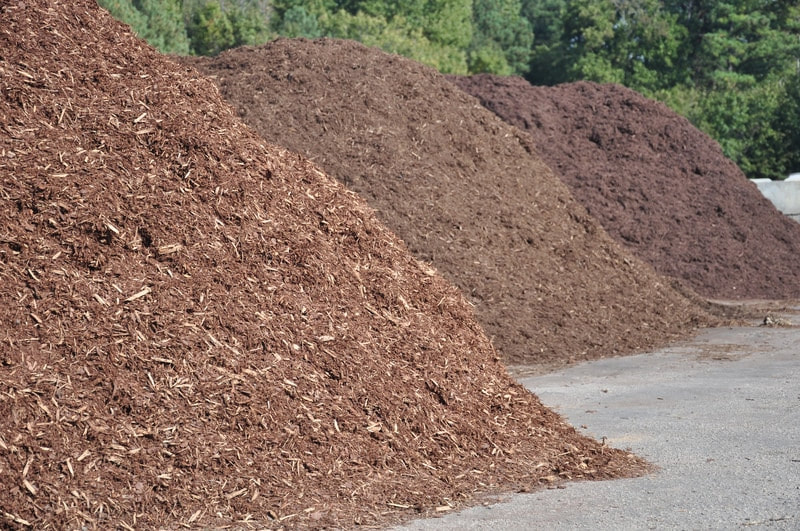
- Materials: Use organic materials like wood chips, shredded leaves, or straw. These materials decompose over time, adding nutrients back into your soil.
- Depth: A layer of mulch 2 to 4 inches deep is perfect.
- The “Donut” Technique: Do not pile mulch right up against the trunk of a tree or the crown of a perennial. Pull it back an inch or two to prevent rot and keep rodents from nesting near the tender bark.
Part 3: What to Watch For – The Hidden Dangers
Winter gardening is about observation. Keep an eye out for these specific Black Hills threats:
1. The Dreaded “Winter Burn”
Winter burn appears as bronze or brown needles on the windward side of evergreens in late winter or early spring. It’s caused by a combination of a frozen root system (meaning the plant can’t take up water) and intense sun/wind (meaning the plant is losing water rapidly).
- Prevention: The best defense is proactive fall watering. You can also use anti-desiccants (sprays that coat needles) on non-edible plants, applied in late fall. For highly exposed, sensitive plants (like certain arborvitae or newly planted rhodos), consider installing burlap screens on the south and west sides to block the wind and sun.
2. Rodent Damage
Mice, voles, rabbits, and deer get hungry when the snow is deep. The tender bark of young trees and shrubs becomes a prime food source.
- Prevention: Install tree guards (plastic coils or wire mesh) around the base of vulnerable tree trunks. Ensure they extend above the expected snow line. For deer, repellent sprays can help, but regular re-application after snow or rain is necessary.
3. Snow Load and Ice Damage
Heavy, wet snow or ice storms can snap branches, especially on evergreens and multi-stemmed shrubs.
- Prevention: Gently brush heavy snow off branches using a broom in an upward sweeping motion. Never shake frozen branches; they will snap. It’s often better to let ice melt on its own.
Part 4: A Checklist for a Successful Winter Prep
As November moves into December, check these off your list:
- Clean Up the Beds (Selectively): Clear out diseased plant material to prevent pathogens from overwintering. However, leaving spent perennials provides habitat for beneficial insects and adds organic matter. A light cleanup is sufficient.
- Protect Tender Bulbs: If you have non-hardy bulbs (like gladiolus or dahlias), dig them up after the first frost, let them dry, and store them indoors in a cool, dark place.
- Tool Tune-up: Clean, sharpen, and oil your garden tools now so they are ready for spring.
- Plan Ahead: Use seed catalogs arriving in January to dream and plan next year’s garden!
By taking these steps tailored to the unique climate of the Black Hills, you can rest easy knowing your garden is prepared to weather the storm and burst back to life when spring finally arrives. Happy gardening!