
Specialty Plants: ‘Ann’ & ‘Jane’ Magnolias – A Bold Spring Show for the Dedicated Gardener
At Black Hills Gardens, our focus is on hardy, reliable plants that thrive in the Black Hills with minimal fuss—lilacs, serviceberries, viburnums, and other proven performers that handle our climate with ease.
Our Ann and Jane Japanese Magnolias are a little different.
These beautiful flowering trees aren’t quite as carefree as a lilac, but for gardeners willing to choose the right location and provide a little extra attention during establishment, they offer one of the most spectacular spring flower displays available in a cold-climate landscape.
Developed by the U.S. National Arboretum as part of the famous “Little Girl” series, Ann and Jane were specifically bred to bloom later than traditional magnolias, helping them avoid some of the late spring frosts that often damage other varieties.
Why Grow a Japanese Magnolia?
Few plants can match the impact of a magnolia in bloom.
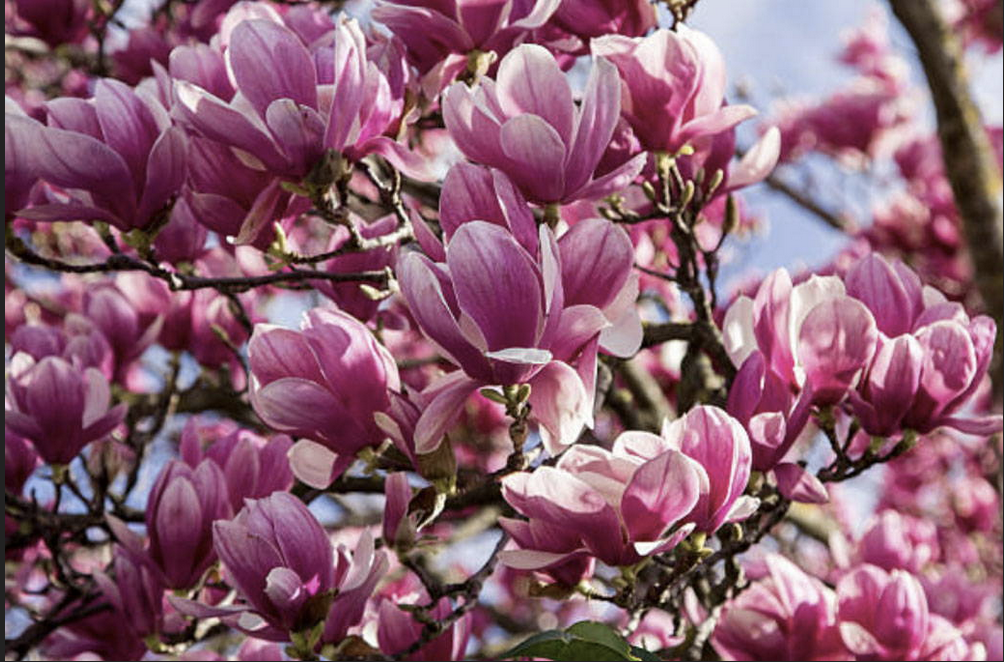
Before most trees have fully leafed out, Ann and Jane magnolias produce large tulip-shaped flowers in shades of deep purple, burgundy, pink, and white.
These plants make excellent:
- Specimen trees
- Accent plants
- Courtyard focal points
- Foundation plantings
- Protected garden showpieces
Mature Size
| Variety | Height | Width |
|---|---|---|
| Ann Magnolia | 8–12 ft | 8–10 ft |
| Jane Magnolia | 10–15 ft | 8–12 ft |
Light Requirements: Full Sun to Part Shade
The Reality of Growing Magnolias in the Black Hills
We believe in setting realistic expectations.
Ann and Jane are among the hardiest magnolias available, but they are not as rugged as lilacs, chokecherries, or serviceberries.
Success depends heavily on choosing the right planting location.
A magnolia planted in a protected landscape bed near a home may thrive for decades.
A magnolia planted on an exposed, windy acreage site may struggle.
Choosing the Right Location
The best locations are:
- East side of a home
- North side of a home
- Protected courtyards
- Sheltered landscape beds
- Areas protected from prevailing winds
Avoid:
- Windy hilltops
- Exposed acreage sites
- Harsh west-facing exposures
- Poorly drained locations
Spring Frosts
Even though Ann and Jane bloom later than many magnolias, flowers can still occasionally be damaged by late spring frosts.
This is normal.
The plant itself is rarely harmed, but some years may produce fewer flowers than others.
Many gardeners find the occasional frost-damaged bloom well worth the reward of the spectacular flowering years.
Soil and Water
Magnolias prefer:
- Well-drained soil
- Moderate moisture
- Organic matter incorporated into the planting area
- Consistent watering while establishing
A 2–3 inch layer of mulch is strongly recommended to help conserve moisture and protect roots.
Once established, they become more resilient, but they appreciate more care than many of our native and conservation species.
Maintenance
Maintenance is generally minimal.
- Water regularly during establishment
- Mulch annually
- Prune only if needed after flowering
- Fertilize lightly if growth appears weak
Is a Magnolia Right for You?
If you want a plant that can be ignored for years and still perform beautifully, we would probably steer you toward a lilac, serviceberry, viburnum, or another of our proven Black Hills favorites.
If you’re willing to provide a protected location and a little extra care, Ann and Jane Magnolias can reward you with one of the most memorable spring flower displays available in our region.
Current Availability
We currently have a limited number of Ann and Jane Magnolias available.
These are approximately 2-foot-tall plants in 2–3 gallon containers.
Because magnolias are not a major part of our nursery program, availability may vary from year to year.
🐾 Pet & Livestock Note: See our Plants & Pets page before purchasing.