
Willows for the Black Hills
Beautiful, Fast-Growing Trees and Shrubs for South Dakota Landscapes
Willows are among the most versatile trees and shrubs for Black Hills landscapes. From compact ornamental shrubs with colorful foliage to large shade trees and native species that help stabilize streambanks, willows offer solutions for a wide range of landscaping needs.
Many willows grow quickly, tolerate moist soils, and provide valuable habitat for birds and pollinators. Some offer brilliant winter stem colors, while others are prized for their unusual foliage, graceful branching, or ability to thrive in difficult locations.
At Black Hills Gardens, we offer nine willow varieties, each with its own characteristics and growing requirements.
Choosing the right willow is especially important in western South Dakota, where elevation, wind exposure, soil conditions, and available moisture can vary dramatically from one property to another.
Meet Our Willow Varieties
The following sizes represent approximate mature dimensions under favorable growing conditions. Actual growth in the Black Hills may vary with moisture, elevation, exposure, and pruning.
| Willow Variety | Mature Size (Height × Width) | Hardiness | Key Features |
|---|---|---|---|
| Blue Arctic | 3–5 × 3–6 ft | Zone 4 | Compact, rounded shrub with fine blue-green foliage |
| Diamond | 10–30 × 10–20 ft | Zone 3 | Native willow known for distinctive diamond-patterned wood |
| Flame | 15–20 × 15–20 ft | Zone 3 | Brilliant orange-red winter stems; dense growth |
| Golden | 40–50 × 25–50 ft | Zone 3 | Large, fast-growing tree with golden-yellow winter branches |
| Peachleaf | 30–40 × 20–30 ft | Zone 3 | Native shade tree with glossy, narrow leaves |
| Sandbar | 10–20 ft tall; spreading | Zone 2 | Native, suckering willow for naturalized areas and erosion control |
| Dappled | 4–8 × 5–8 ft | Zones 4–5* | Pink, white, and green variegated foliage |
| Rosemary | 8–15 × 10–16 ft | Zone 4 | Narrow, silvery-green foliage and graceful texture |
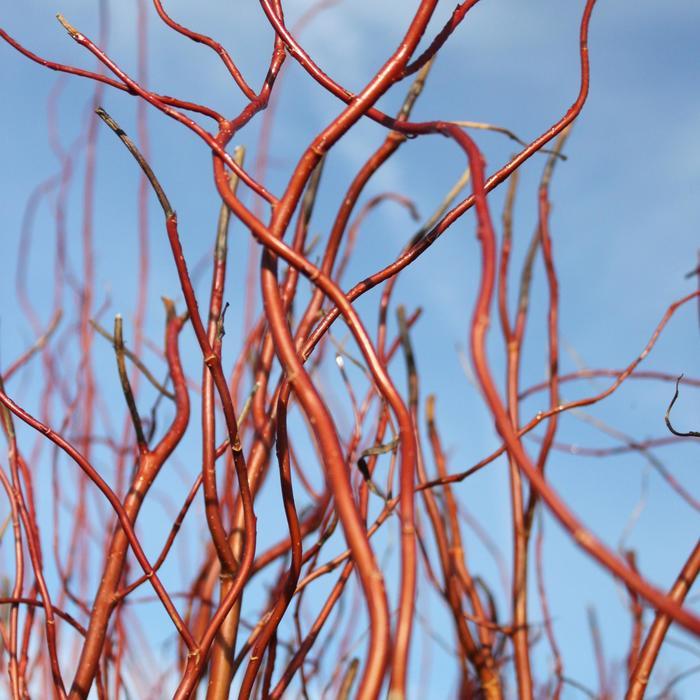
| Scarlet Curls | 20–30 × 15–25 ft | Zone 4* | Twisted branches and colorful red-orange winter stems |
Dappled Willow has conflicting published hardiness ratings, with some growers listing Zone 4 and botanical references listing Zone 5. Scarlet Curls is offered as Zone 4 by several nurseries, although some university references list Zone 5. Both deserve careful placement in colder Black Hills locations.
Our Willow Varieties
Blue Arctic Willow
Salix purpurea ‘Nana’
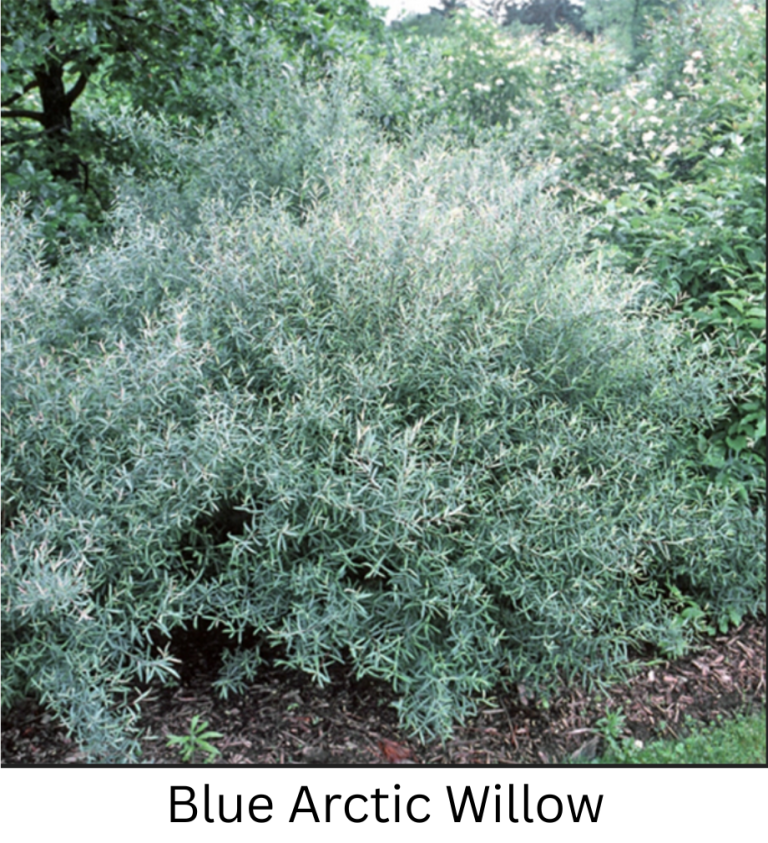
Blue Arctic Willow is a compact, rounded shrub with fine-textured, blue-green foliage and slender purplish stems.
Unlike larger willows, it fits comfortably into smaller landscapes and can be maintained as a low hedge or informal border.
Its distinctive foliage provides attractive contrast with darker green shrubs and flowering plants.
- Mature Size: 3–5 ft tall × 3–6 ft wide
- Light: Full sun to part shade
- Hardiness: Zone 4
- Growth Rate: Moderate to fast with adequate moisture
- Moisture: Prefers consistently moist soil; tolerates some drying once established
Best for: Low hedges, shrub borders, foundation plantings, and compact privacy screens.
Black Hills Considerations: A good choice for irrigated residential landscapes in Zone 4 locations. In hotter, exposed areas, adequate water is important for maintaining healthy foliage.
Who should avoid it: Gardeners seeking a completely unirrigated shrub for dry prairie conditions or planting in colder Zone 3 sites.
Diamond Willow
Salix bebbiana
Diamond Willow is a native North American willow known for the unusual diamond-shaped patterns that can develop in its wood.
These patterns result from the tree’s response to certain fungal infections and are highly valued by woodworkers and artisans.
Not every Diamond Willow develops prominent markings, and the characteristic patterns may take years to appear.
It commonly grows as a large, multi-stemmed shrub or small tree, making it useful for naturalized landscapes.
- Mature Size: 10–30 ft tall × 10–20 ft wide
- Light: Full sun to part shade
- Hardiness: Zone 3
- Growth Rate: Moderate to fast
- Moisture: Prefers moist soils
Best for: Wildlife plantings, naturalized landscapes, streambanks, and larger rural properties.
Black Hills Considerations: Its cold hardiness makes it a candidate for higher-elevation locations where adequate moisture is available.
Who should avoid it: Homeowners wanting a small, formal ornamental tree or expecting every plant to produce decorative diamond-patterned wood.
Flame Willow
Salix ‘Flame’
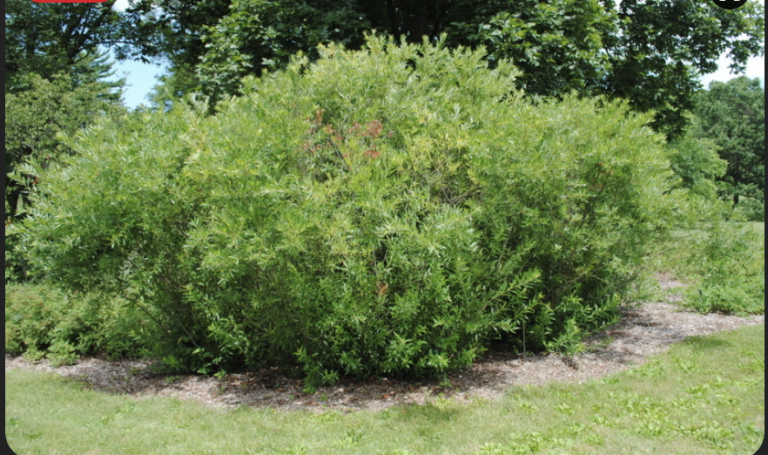
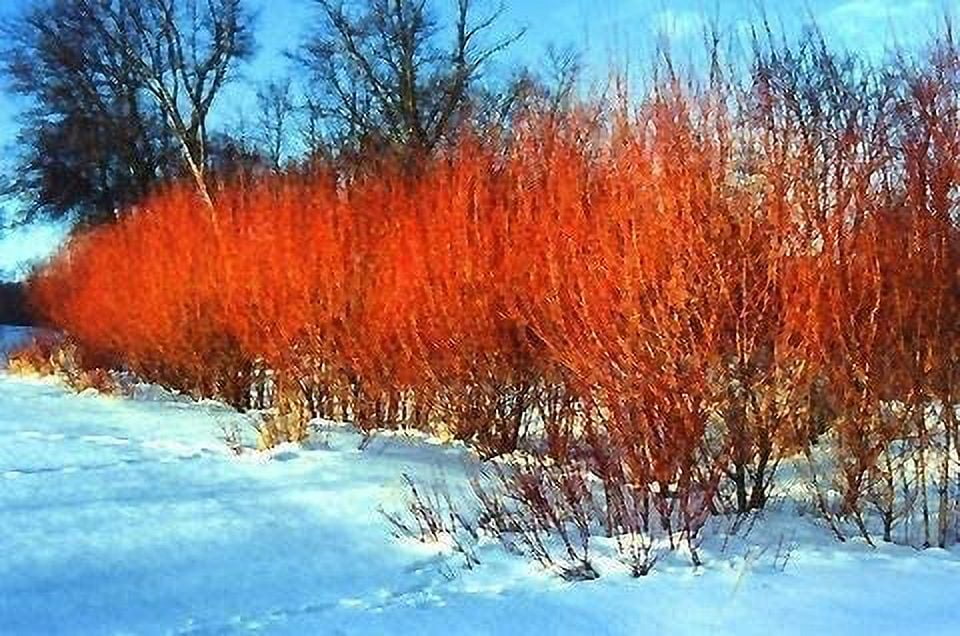
Flame Willow is prized for its brilliant orange-red stems, which provide striking color during the winter months.
Its dense, upright-to-rounded growth habit makes it useful for informal screening, large hedges, and winter-interest plantings.
The colorful stems are especially attractive against snow, evergreens, and other winter landscape features.
- Mature Size: 15–20 ft tall × 15–20 ft wide
- Light: Full sun to part shade
- Hardiness: Zone 3
- Growth Rate: Fast with adequate moisture
- Moisture: Prefers moist soil; supplemental water is beneficial during dry periods
Best for: Large hedges, privacy screens, winter color, and naturalized plantings.
Black Hills Considerations: Its Zone 3 rating makes it one of the more cold-hardy ornamental willows we offer. It can be useful in colder landscapes where sufficient moisture is available.
Who should avoid it: Gardeners with small yards or dry, unirrigated sites.
Pruning Tip: Periodically removing older stems encourages vigorous new growth with brighter winter color.
Golden Willow
Salix alba ‘Vitellina’
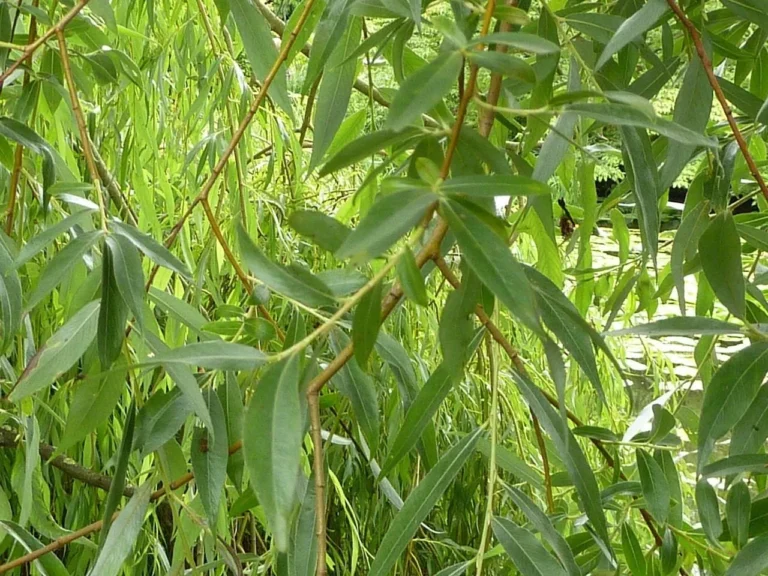
Golden Willow is a large, fast-growing deciduous tree known for its golden-yellow young branches.
Unlike the classic weeping willow, Golden Willow generally develops an upright to broadly spreading crown rather than strongly drooping branches.
Its rapid growth can provide shade and visual screening relatively quickly, while its colorful branches add winter interest.
- Mature Size: 40–50 ft tall × 25–50 ft wide
- Light: Full sun
- Hardiness: Zone 3
- Growth Rate: Fast
- Moisture: Prefers moist soils and benefits from a reliable water supply
Best for: Large rural properties, moist landscapes, shade, and naturalized windbreak plantings.
Black Hills Considerations: Particularly useful on larger properties with sufficient soil moisture. It is not a good choice for dry locations without supplemental irrigation.
Who should avoid it: Owners of small residential lots or properties where planting space is limited by buildings, septic systems, buried utilities, or drainage infrastructure.
Golden Willow needs considerable room for both its canopy and extensive root system.
Peachleaf Willow
Salix amygdaloides
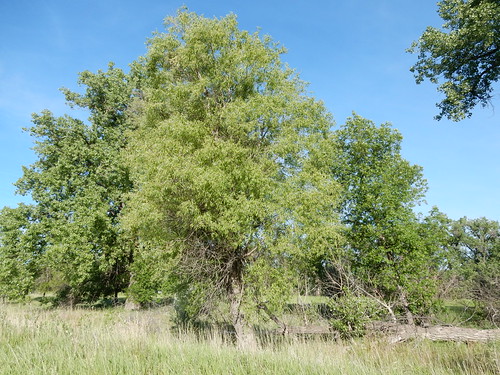
Peachleaf Willow is a native North American tree recognized by its long, narrow, glossy green leaves, which resemble those of a peach tree.
It develops a relatively open crown and can provide attractive shade in larger landscapes.
This willow is especially valuable along waterways and in naturalized plantings where moisture is available.
- Mature Size: 30–40 ft tall × 20–30 ft wide
- Light: Full sun
- Hardiness: Zone 3
- Growth Rate: Fast with adequate moisture
- Moisture: Prefers moist soils, particularly along streams and drainage areas
Best for: Streamside plantings, larger rural landscapes, wildlife habitat, and shade.
Black Hills Considerations: A strong candidate for moist properties throughout the region, including colder locations.
Who should avoid it: Gardeners with limited space or dry sites lacking irrigation.
Sandbar Willow
Salix exigua
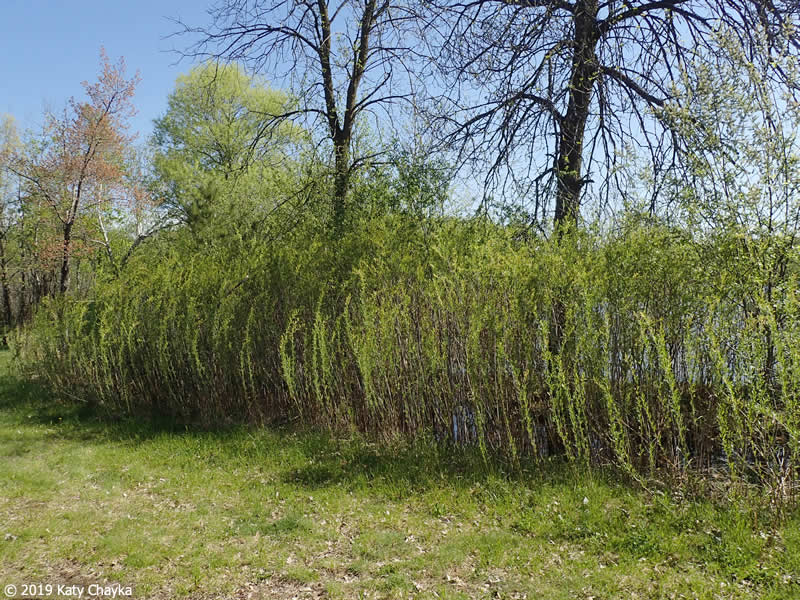
Sandbar Willow is a native, colony-forming shrub known for its narrow, silvery-green leaves and ability to spread through underground suckers.
Unlike ornamental willows that remain in one defined location, Sandbar Willow can gradually form extensive thickets.
This spreading habit makes it particularly useful for stabilizing streambanks, restoring riparian areas, and creating natural wildlife cover.
- Mature Size: Commonly 10–20 ft tall; spreads through suckers
- Light: Full sun
- Hardiness: Zone 2
- Growth Rate: Fast under favorable conditions
- Moisture: Best in moist soils; tolerates some seasonal drying once established
Best for: Erosion control, streambanks, wildlife habitat, and naturalized rural landscapes.
Black Hills Considerations: One of our most cold-hardy willows and particularly useful where its spreading growth is desirable.
Who should avoid it: Homeowners with small yards, formal gardens, or landscapes where suckering would become a maintenance problem.
Important: Sandbar Willow should be planted where its natural spreading habit can be accommodated. It is generally unsuitable for narrow planting beds or locations where underground spreading would be unwelcome.
Dappled Willow
Salix integra ‘Hakuro-nishiki’
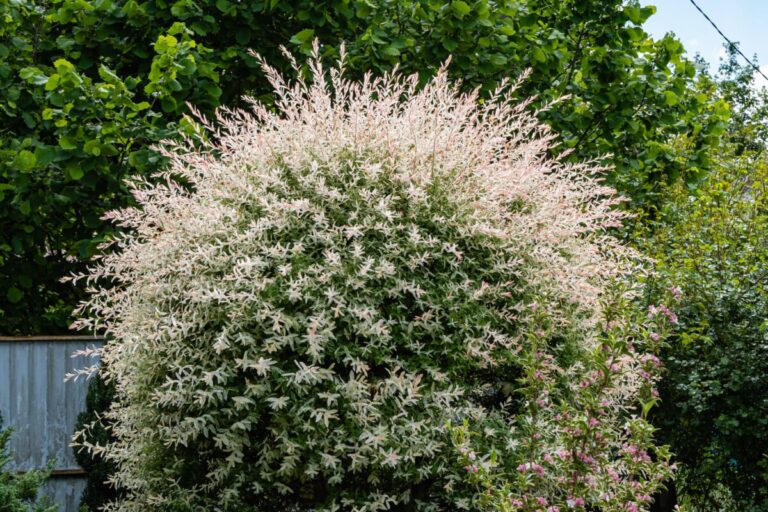
Dappled Willow is a colorful ornamental shrub with leaves displaying shades of pink, creamy white, and green.
The brightest colors typically appear on new growth, making spring and early summer especially attractive.
It can be grown as a naturally rounded shrub or maintained at a smaller size through regular pruning.
- Mature Size: Approximately 4–8 ft tall × 5–8 ft wide; occasionally larger
- Light: Full sun to part shade
- Hardiness: Commonly listed as Zones 4–5 at the cold end, depending on source
- Growth Rate: Fast with adequate moisture
- Moisture: Prefers consistently moist soil
Best for: Ornamental borders, colorful hedges, specimen plantings, and sheltered residential landscapes.
Black Hills Considerations: Best suited to irrigated gardens in relatively mild locations. Protection from intense afternoon heat and drying winds may help preserve attractive foliage.
Who should avoid it: Gardeners in Zone 3 locations, severe cold pockets, or exposed sites without reliable irrigation.
Pruning Tip: Pruning in late winter or early spring encourages colorful new foliage. Light trimming during the growing season can maintain a compact shape.
Rosemary Willow
Salix eleagnos
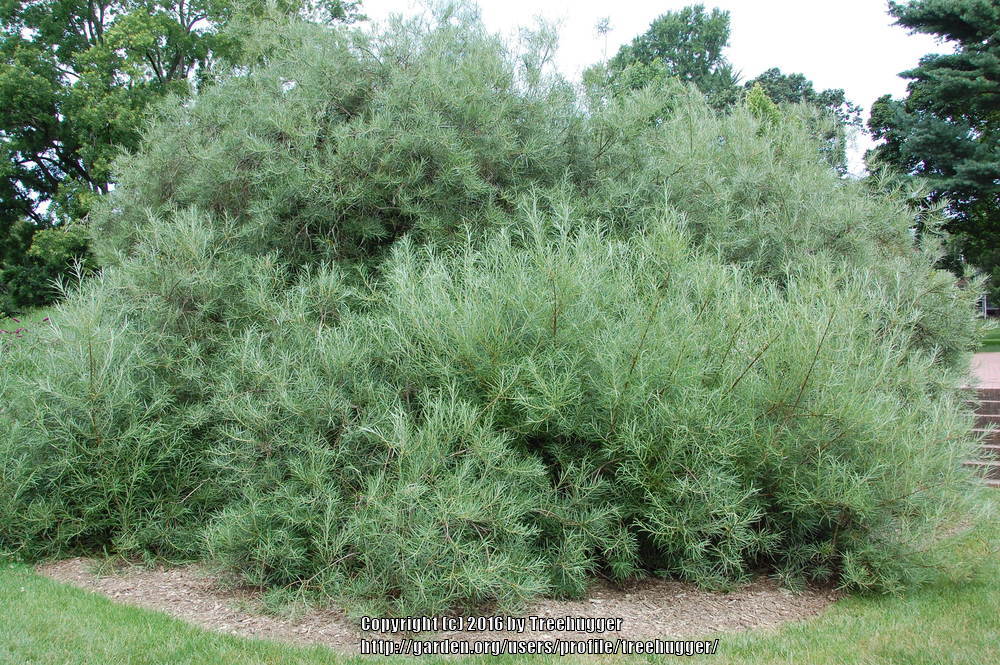
Rosemary Willow is a distinctive ornamental shrub with long, narrow, gray-green leaves that resemble rosemary foliage.
Its fine texture and graceful branching habit create an attractive contrast with broad-leaved shrubs.
Although it prefers moist soil, Rosemary Willow can tolerate occasional dry periods once established, making it somewhat more adaptable than many moisture-loving willows.
- Mature Size: Approximately 8–15 ft tall × 10–16 ft wide; can grow larger
- Light: Full sun to part shade
- Hardiness: Zone 4
- Growth Rate: Moderate to fast
- Moisture: Prefers moist, well-drained soil; tolerates occasional dryness
Best for: Textural contrast, informal hedges, large shrub borders, and naturalized landscapes.
Black Hills Considerations: A promising choice for Zone 4 landscapes where gardeners want unusual foliage and a less traditional willow appearance.
Who should avoid it: Gardeners in Zone 3 locations or those expecting a small, compact shrub without pruning.
Scarlet Curls Willow
Salix ‘Scarlet Curls’
Scarlet Curls Willow is an unusual ornamental tree known for its twisting branches, curled foliage, and colorful winter stems.
Young branches display shades of red, orange, and gold, with the strongest color often appearing after cold weather arrives.
Its contorted branches are particularly attractive during winter, when the leaves have fallen and the tree’s distinctive structure is fully visible.
The branches can also be used in decorative arrangements.
- Mature Size: Approximately 20–30 ft tall × 15–25 ft wide
- Light: Full sun
- Hardiness: Zone 4, with some references listing Zone 5
- Growth Rate: Fast with adequate moisture
- Moisture: Prefers moist, well-drained soil
Best for: Ornamental specimen trees, winter-interest gardens, larger residential landscapes, and decorative branch production.
Black Hills Considerations: Best suited to sheltered Zone 4 or warmer locations with adequate moisture. Its colorful stems and unusual growth habit make it especially attractive where it can be viewed during winter.
Who should avoid it: Gardeners in Zone 3 locations, severe cold pockets, exposed high-elevation sites, or dry properties without irrigation.
Although some nurseries rate Scarlet Curls hardy to Zone 4, winter survival may be less reliable in colder or more exposed Black Hills microclimates.
Which Willow Is Right for Your Landscape?
| Your Landscaping Goal | Willows to Consider |
|---|---|
| Small ornamental shrub | Blue Arctic, Dappled |
| Colorful winter stems | Flame, Scarlet Curls, Golden |
| Fast-growing shade | Golden, Peachleaf |
| Privacy screening | Flame, Blue Arctic, Golden (where space allows) |
| Streambank stabilization | Sandbar, Peachleaf, Diamond |
| Wildlife and naturalized areas | Sandbar, Diamond, Peachleaf |
| Unusual foliage | Dappled, Rosemary, Blue Arctic |
| Higher-elevation cold hardiness | Sandbar, Diamond, Flame, Peachleaf, Golden |
| Distinctive specimen tree | Scarlet Curls, Golden |
| Decorative branches | Diamond, Scarlet Curls, Flame |
These recommendations assume that each plant’s moisture and space requirements can be met.
Choosing Willows for Different Black Hills Growing Conditions
The Black Hills include a wide variety of microclimates. A plant that performs beautifully in a protected Rapid City yard may struggle at a higher elevation or on an exposed prairie property.
Understanding these differences can help gardeners select willows with the best chance of long-term success.
Rapid City, Hermosa, and Lower-Elevation Landscapes
Lower-elevation locations often have warmer growing seasons and may offer favorable conditions for a wider variety of ornamental willows.
Good candidates include:
- Blue Arctic
- Dappled
- Rosemary
- Scarlet Curls
- Flame
Larger willows, including Golden and Peachleaf, are also options where sufficient space and moisture are available.
Important: Lower elevation does not automatically mean a protected growing site. Exposed properties may experience severe wind, winter drying, and rapid soil moisture loss.
Custer, Hill City, and Higher-Elevation Locations
Higher elevations may experience colder winters, shorter growing seasons, and greater winter exposure.
Willows with Zone 3 or colder hardiness ratings are generally safer choices for these locations.
Consider:
- Sandbar
- Diamond
- Flame
- Peachleaf
- Golden
These plants still need suitable moisture conditions.
Use greater caution with: Blue Arctic, Dappled, Rosemary, and Scarlet Curls.
Their Zone 4 or warmer ratings may make them less reliable in colder microclimates.
Exposed Prairie and Windy Properties
The plains surrounding the Black Hills can present difficult growing conditions, including strong winds, intense sun, and limited rainfall.
For irrigated properties, Flame and some of the larger hardy willows may be useful for screening or shelterbelt plantings.
Sandbar Willow may also be useful in moist, naturalized areas where its spreading habit is desirable.
Avoid assuming that cold hardiness means drought tolerance. Even very cold-hardy willows may fail when planted in dry, unirrigated locations.
Wet Areas, Drainage Corridors, and Streambanks
Many willows are particularly valuable in locations with reliable soil moisture.
Consider:
- Sandbar for spreading erosion-control plantings
- Peachleaf for larger streamside landscapes
- Diamond for naturalized moist areas
- Golden for large, moist properties
Willow roots can help stabilize soil, but planting alone may not solve severe erosion or unstable drainage problems.
Avoid planting large willows near septic systems, underground drainage pipes, foundations, or other infrastructure.
Growing Willows in the Black Hills
Sunlight
Full sun is preferred by most willows.
Many tolerate partial shade, but full sun generally encourages vigorous growth, denser branching, and stronger winter stem color.
Dappled Willow may benefit from some afternoon shade in especially hot locations.
Soil and Water
Willows generally prefer moist soil, although individual species vary in their tolerance for temporary dryness.
During establishment, provide consistent watering to encourage a strong root system.
Once established, some varieties tolerate occasional dry periods, but most grow best with supplemental moisture during prolonged drought.
Do not assume that a willow will thrive without irrigation simply because it is native or cold-hardy.
Pruning
Pruning depends on the variety and desired landscape effect.
- Blue Arctic: Prune in late winter or early spring to maintain a dense, rounded shape.
- Diamond: Remove damaged or unwanted stems as needed.
- Flame: Periodically remove older stems to encourage colorful new growth.
- Golden: Prune to develop strong structure and remove damaged branches.
- Peachleaf: Prune young trees to establish desirable branching.
- Sandbar: Remove unwanted suckers where spreading needs to be controlled.
- Dappled: Prune in late winter or early spring to encourage colorful new foliage.
- Rosemary: Thin or rejuvenate periodically to control size and maintain density.
- Scarlet Curls: Prune to maintain structure or encourage new decorative branches.
Avoid unnecessary heavy pruning late in the growing season.
Pests and Diseases
Willows can be affected by aphids, leaf beetles, caterpillars, fungal leaf spots, cankers, and other common tree and shrub problems.
Healthy plants growing in suitable conditions are generally better able to withstand occasional pest damage.
Regular watering during drought and appropriate pruning can help reduce stress.
Some large, fast-growing willows also develop weak or brittle branches as they age, making placement and maintenance important.
Willow Hardiness and Microclimates
USDA hardiness zones describe average annual extreme minimum winter temperatures. They do not account for every condition that influences plant survival.
In the Black Hills, gardeners should also consider:
- Elevation: Higher locations often experience colder temperatures and shorter growing seasons.
- Wind: Exposed sites can increase drying and damage to stems.
- Snow Cover: Snow can insulate roots and lower stems during severe cold.
- Soil Moisture: Dry winter soils can increase stress, while poorly drained conditions can harm certain plants.
- Cold Pockets: Low-lying areas may collect cold air and experience lower temperatures than surrounding slopes.
- Shelter: Buildings, terrain, and established vegetation can sometimes moderate exposure.
A protected planting site can improve a plant’s chances of success, but it cannot guarantee survival when temperatures fall below the plant’s hardiness limits.
For colder or particularly exposed locations, choosing a willow rated for Zone 3 or colder is generally the safer approach.
Wildlife and Ecological Benefits
Willows offer benefits beyond their ornamental appearance.
Many species produce early-season catkins that provide pollen and nectar resources for insects, including native bees.
Their foliage supports a variety of caterpillars and other insects, which in turn provide food for birds.
Larger willows can offer nesting opportunities and shelter, while dense shrub forms create protective cover for wildlife.
Native species such as Diamond, Peachleaf, and Sandbar Willow are particularly valuable additions to naturalized landscapes where they are appropriate to the site.
Willows can also contribute to streambank stabilization and restoration when properly selected and planted.
Add a Willow to Your Black Hills Landscape
Whether you’re looking for a colorful ornamental shrub, a fast-growing shade tree, a natural privacy screen, or a plant suited to moist and difficult areas, willows offer an impressive range of possibilities.
From the brilliant winter stems of Flame and Scarlet Curls to the unusual foliage of Dappled and Rosemary Willow, each variety brings something different to the landscape.
At Black Hills Gardens, we encourage gardeners to select plants based on their property’s growing conditions, available space, and long-term landscaping goals.
Visit Black Hills Gardens to explore our willow varieties and find the right plants for your landscape.
🐾 Pet & Livestock Note: Visit our Plants & Pets page for information about landscaping around dogs, cats, horses, and other animals.