
Lavender for the Black Hills
Fragrant, Beautiful, and Drought-Tolerant Plants for South Dakota Gardens
Lavender brings beautiful purple flowers, silvery-green foliage, and a distinctive fragrance to the landscape. Loved by gardeners and pollinators alike, this aromatic perennial adds color and texture to sunny gardens while requiring relatively little water once established.
Although many lavender varieties struggle with cold winters, some are surprisingly hardy. With the right variety, good drainage, and proper placement, lavender can be a wonderful addition to Black Hills landscapes.
At Black Hills Gardens, we focus on varieties with the potential to thrive in our challenging climate.
Meet Our Lavender
Our Lavender is an exceptionally cold-tolerant lavandin hybrid known for its fragrant purple-blue flowers, attractive silver-gray foliage, and vigorous growth.
Unlike many traditional lavender varieties, ours was selected for its ability to withstand a wider range of growing conditions, including cold winters, summer heat, and humidity.
Its long flower spikes rise above mounds of aromatic foliage, creating a beautiful display in sunny borders, herb gardens, and pollinator plantings.
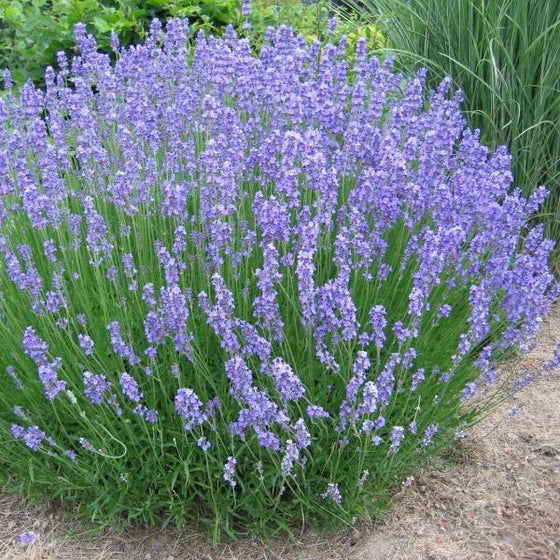
| Attribute | Lavender |
|---|---|
| Mature Size (H × W) | 2–3 ft × 3–4 ft |
| Flower Color | Purple-blue |
| Foliage | Aromatic, silver-gray |
| Bloom Time | Summer, generally June–August depending on local conditions |
| Light | Full sun |
| Hardiness | USDA Zones 4–9 |
| Water Needs | Low once established |
| Growth Habit | Rounded, bushy mound with upright flower spikes |
| Best Uses | Sunny borders, herb gardens, pollinator gardens, fragrant plantings |
Why Lavender Is a Promising Choice for the Black Hills
Lavender is often associated with warmer climates, but it offers several advantages for gardeners in western South Dakota.
Improved Cold Hardiness
It is rated hardy to USDA Zone 4, making it suitable for many Black Hills locations. It is more cold-tolerant than numerous other lavandin varieties.
However, Zone 4 hardiness does not guarantee survival in every location. Exposed sites, prolonged cold without snow cover, and winter moisture can all affect performance.
Excellent Drought Tolerance
Once established, lavender requires relatively little supplemental water. This makes it an appealing choice for sunny, water-conscious landscapes.
Newly planted lavender still needs regular watering until its root system becomes established.
Attractive to Pollinators
Lavender flowers are especially attractive to bees and other nectar-feeding insects, making them a valuable addition to pollinator-friendly gardens.
Fragrant Foliage and Flowers
Both the foliage and flowers are aromatic. Flower stems can be cut for fresh arrangements, dried bouquets, sachets, and other decorative uses.
Growing Lavender in the Black Hills
Sunlight
Full sun — at least 6–8 hours daily
Lavender grows best in locations receiving abundant direct sunlight. Sunny conditions encourage compact growth, strong fragrance, and plentiful flowers.
Avoid planting in heavily shaded areas or locations with poor air circulation.
Soil and Drainage
Excellent drainage is essential.
Lavender prefers well-drained, relatively lean soil. It does not tolerate consistently wet roots, especially during winter.
In the Black Hills, lavender may perform well in naturally well-drained, rocky, or sandy soils.
Heavy clay soils can be problematic because they retain moisture. In these locations, raised beds or elevated planting areas may provide better growing conditions.
Avoid low spots where water collects or snowmelt remains trapped around the plant.
Lavender generally prefers neutral to slightly alkaline soil, making it compatible with many of the naturally alkaline soils found in western South Dakota.
Watering
Low water requirements once established
Water newly planted lavender thoroughly, then allow the upper soil to begin drying before watering again.
As plants establish, reduce watering frequency. Established lavender generally prefers deep, occasional watering rather than frequent light irrigation.
Overwatering is one of the most common causes of lavender decline.
Fertilizing
Minimal fertilizer is needed.
Lavender performs best in relatively lean soil. Excess fertilizer, particularly nitrogen, can encourage soft leafy growth at the expense of flowers and may reduce winter hardiness.
Avoid heavy applications of fertilizer or rich compost.
Mulching
Unlike many garden shrubs, lavender does not benefit from thick, moisture-retaining organic mulch around its crown.
A thin layer of gravel or small stone can help keep the crown relatively dry while reducing soil splash.
Keep mulch away from the base of the stems.
Winter Care in the Black Hills
Winter survival depends on more than temperature alone.
This Lavender is rated for Zone 4, but several conditions can influence its performance in western South Dakota.
Good Drainage
Cold, saturated soil can be more damaging than cold temperatures alone. Choose a location where snowmelt drains away rather than collecting around the roots.
Winter Wind
Strong, drying winds can damage lavender’s evergreen foliage. A sunny location with some protection from prevailing winter winds may improve survival.
Snow Cover
Consistent snow cover can insulate roots and crowns against extreme temperature fluctuations. However, prolonged wetness around the crown can contribute to rot.
Avoid Late-Season Pruning
Heavy pruning late in the growing season can encourage tender growth that may not harden sufficiently before winter.
For Black Hills gardens, major shaping is generally best done in spring after new growth becomes visible.
Pruning
Lavender benefits from regular pruning to maintain a compact shape and discourage woody, open growth.
Spring Pruning
Wait until new growth appears and the risk of severe freezing weather has diminished.
Remove winter-damaged growth and lightly shape the plant.
Avoid cutting deeply into old, leafless woody stems, as lavender may not readily produce new growth from those areas.
After Flowering
Spent flower stalks can be removed after blooming to improve appearance.
Light shaping may also help maintain a rounded form, but avoid heavy pruning late in summer or fall.
Landscaping
This Lavender works particularly well in sunny areas where good drainage and low water requirements are priorities.
Consider lavender for:
- Sunny borders and garden edges
- Herb and fragrance gardens
- Pollinator-friendly landscapes
- Raised beds and rock gardens
- Water-conscious landscape designs
- Plantings along sunny walkways and patios
Its silver-gray foliage provides contrast with green-leaved shrubs and colorful flowering plants.
When planning your landscape, allow enough space for the plant to reach its mature width and maintain good air circulation.
A Note About Hardiness in the Black Hills
The Black Hills include a wide range of elevations, soil conditions, and winter microclimates.
This Lavender’s Zone 4 rating makes it a promising choice for many lower-elevation and protected locations, including parts of the Rapid City area and surrounding foothills.
At higher elevations, in exposed prairie locations, or in colder pockets where winter temperatures fall below Zone 4 limits, survival may be less reliable.
Even within Zone 4, successful lavender growing depends heavily on drainage, winter exposure, and avoiding excess moisture.
For gardeners in particularly cold or challenging locations, a sheltered, sunny planting site with excellent drainage offers the best chance of success.
Bring Fragrance and Color to Your Garden
With its aromatic silver-gray foliage, beautiful purple-blue flowers, and excellent drought tolerance once established, Lavender offers something different from traditional flowering shrubs.
For Black Hills gardeners willing to provide plenty of sunshine and excellent drainage, it can be a rewarding addition to the landscape.
Explore the plants at Black Hills Gardens and discover new possibilities for creating a beautiful, resilient outdoor refuge.
Pet & Livestock Note: Lavender contains compounds that can be harmful to some animals if ingested. Visit our Plants & Pets page for more information about landscaping around dogs, cats, horses, and other animals.