Why Doesn’t My New Fruit Tree Have Fruit Yet?
One of the questions I get from customers is:
“Will this plum tree produce plums?”
The answer is yes—but maybe not immediately.
Many people assume that if they buy a fruit tree, especially a larger tree from a garden center, they’ll be harvesting fruit the following summer. Sometimes that happens. Often it doesn’t.
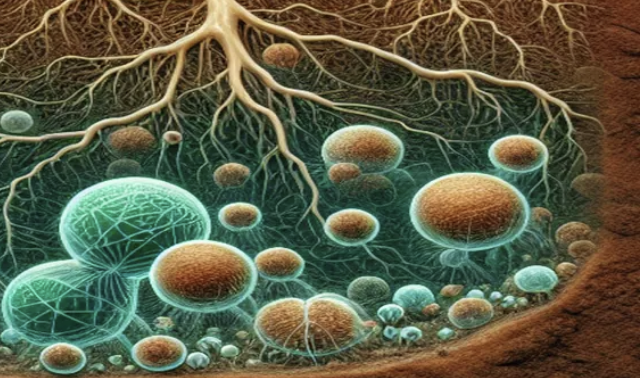
When a fruit tree is planted, its first priority is usually not producing fruit. Its first priority is growing roots.
Think about what that tree has been through:
• Dug from a field or grown in a container
• Transported to a nursery or store
• Purchased and moved again
• Planted in a new location
That’s a lot of change for a young tree.
Rather than putting energy into fruit production, many trees spend their first year—or even their first few years—establishing a healthy root system.
This is completely normal.
In fact, many orchard growers intentionally remove fruit from young trees during the first year or two because they would rather see the tree put its energy into roots and structure.
The good news is that a smaller tree often catches up surprisingly quickly. A young tree that establishes well may eventually outperform a larger tree that struggled after transplanting.
Whether you’re planting a plum, apple, pear, cherry, or apricot, patience is usually rewarded.
A fruit tree is not just an investment in next year’s harvest. It’s an investment in the next twenty years of harvests.
If you’re planting fruit trees in the Black Hills, focus first on helping them establish:
• Plant correctly
• Water consistently during establishment
• Protect from deer and other damage
• Give them time
The fruit will come.
Black Hills Grown • Black Hills Tested