The “Java Red” Mystery: Why This Red Shrub Is Actually… Pink?
If you’ve been scrolling through my 2026 catalog or visited the nursery last year, you might have noticed something a bit “wonky” about one of our favorite shrubs. It’s a question I get every single season:
“If this is called ‘Java Red,’ why are the flowers so… pink?”
It’s a fair question! In the world of plant naming, things aren’t always what they seem. If you buy a ‘Red Prince’ Weigela, you get exactly what’s on the tin—a deep, fire-engine red. But ‘Java Red’ is a bit of a trickster, and today I want to pull back the curtain on why this “pink” shrub earned its “red” name, and why it’s actually a secret weapon for your Black Hills landscape.
The Name Game: It’s All About the Foliage
In the nursery world, when a plant has “Red,” “Bronze,” or “Wine” in the name but the flowers are pink, the name is almost always referring to the leaves and the buds.
‘Java Red’ is a classic example of this. In the early spring, when the new growth starts to push through, the foliage doesn’t emerge green. It comes out in a stunning, deep bronze-burgundy. From a distance, those dark, moody stems look “reddish-brown” (hence the “Java” name).
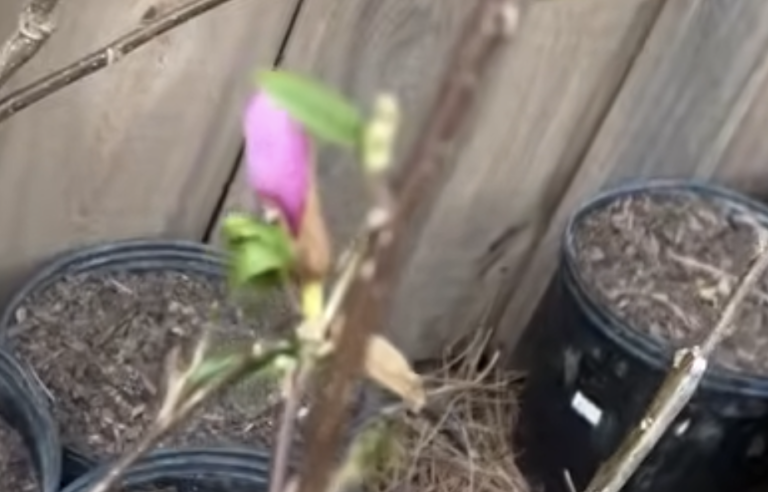
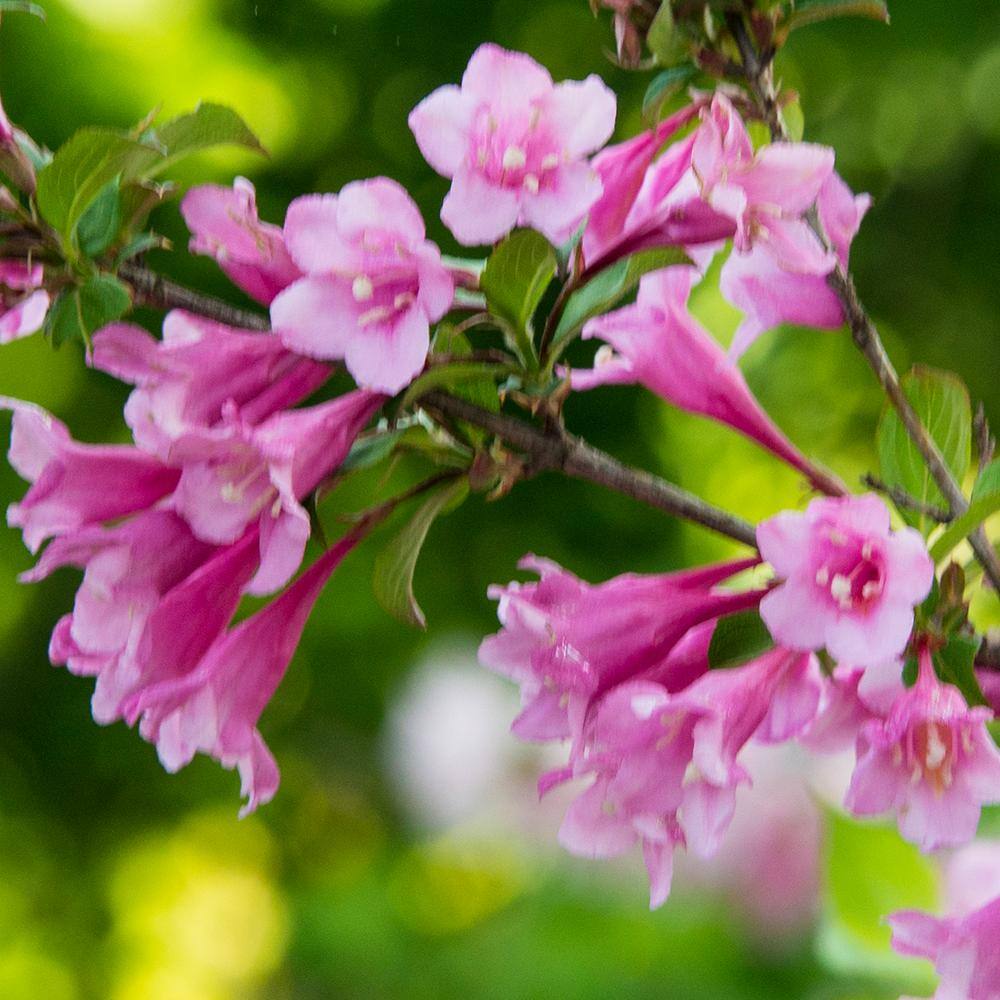
Even the flower buds themselves are a deep, dark beet-red. But—and here is the kicker—the moment those buds pop open, they reveal a beautiful, saturated rose-pink interior.
The “Color Layering” Effect
While it might seem like a “false advertisement” at first, this color combination is actually a huge advantage for your garden design. Because the flowers are pink but the foliage is dark bronze, you get a “two-tone” effect that you just don’t get with a standard green shrub.
- The pink blooms look much more vibrant against the dark leaves than they would against plain green.
- As the flowers fade, the foliage stays dark and interesting all summer long, whereas other Weigelas might just look like a “green blob” once their blooming cycle is over.
Why “Java Red” is a Black Hills Favorite
Beyond the color mystery, there’s a practical reason I keep this variety in stock every year. ‘Java Red’ is one of the more compact and hardy varieties we offer.
Our Black Hills weather is famous for being unpredictable. ‘Java Red’ is a tough-as-nails Zone 4 plant that handles our drying winds and rocky soils with grace. It stays a bit smaller and more mounded (usually 3–4 feet) compared to the towering 6-foot ‘Red Prince.’ This makes it the perfect “middle-of-the-border” plant. It fills the gap between your low-growing perennials and your larger privacy hedges perfectly.
Designing with the “Pink” Red Shrub
If you are planning your 2026 garden beds, here is my “Pro-Tip” for using ‘Java Red’:
Pair it with Silver or Chartreuse. Because the foliage is so dark and the flowers are pink, planting it next to something like a ‘Variegated’ Weigela or a silver-leafed Artemisia makes the whole corner of your yard look professional. The light colors “pop” against the Java’s dark bronze, and the pink flowers provide that soft, cottage-core feel that everyone loves in the spring.
Don’t Let the Name Fool You!
So, if you’re looking for a “true” red, I’ll steer you toward the ‘Red Prince.’ But if you want a plant that offers a sophisticated color palette—dark, chocolatey foliage topped with a sea of pink trumpets—then ‘Java Red’ is your winner.
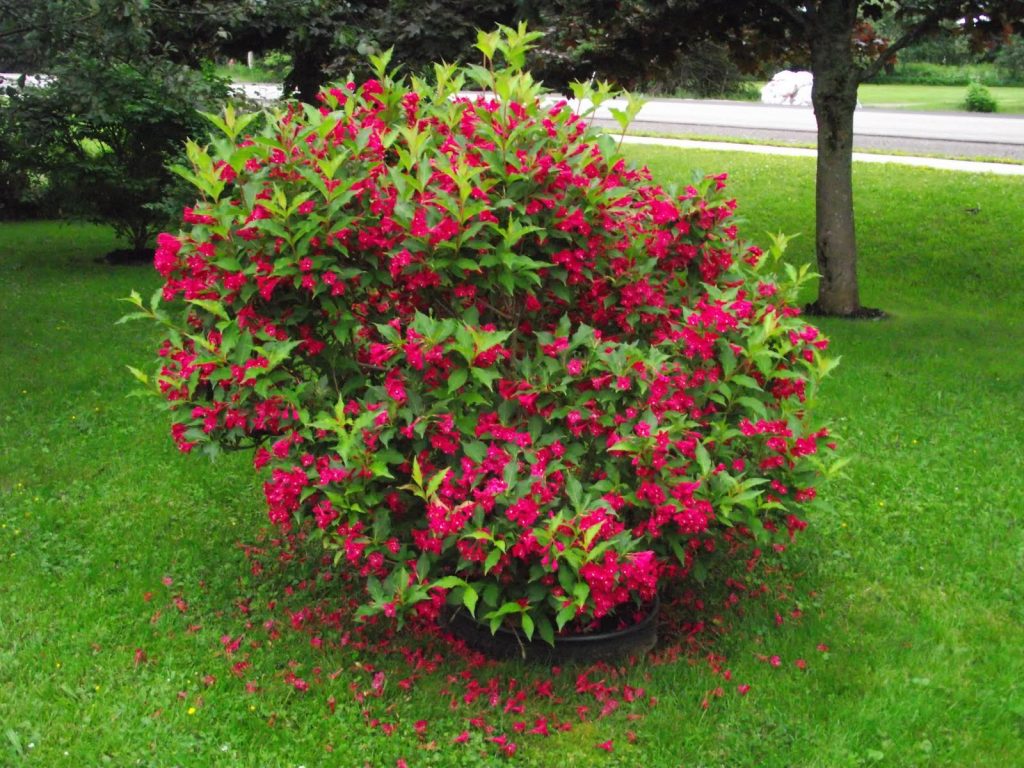
I currently have a fresh batch of these “mysterious” beauties settling into the grow tunnel. They are looking incredibly healthy and are just waiting for the ground to thaw so they can show off their bronze-and-pink glory in your yard!
Have you ever been surprised by a plant’s color after the tag promised something else? Tell me your “Expectation vs. Reality” garden stories in the comments!