
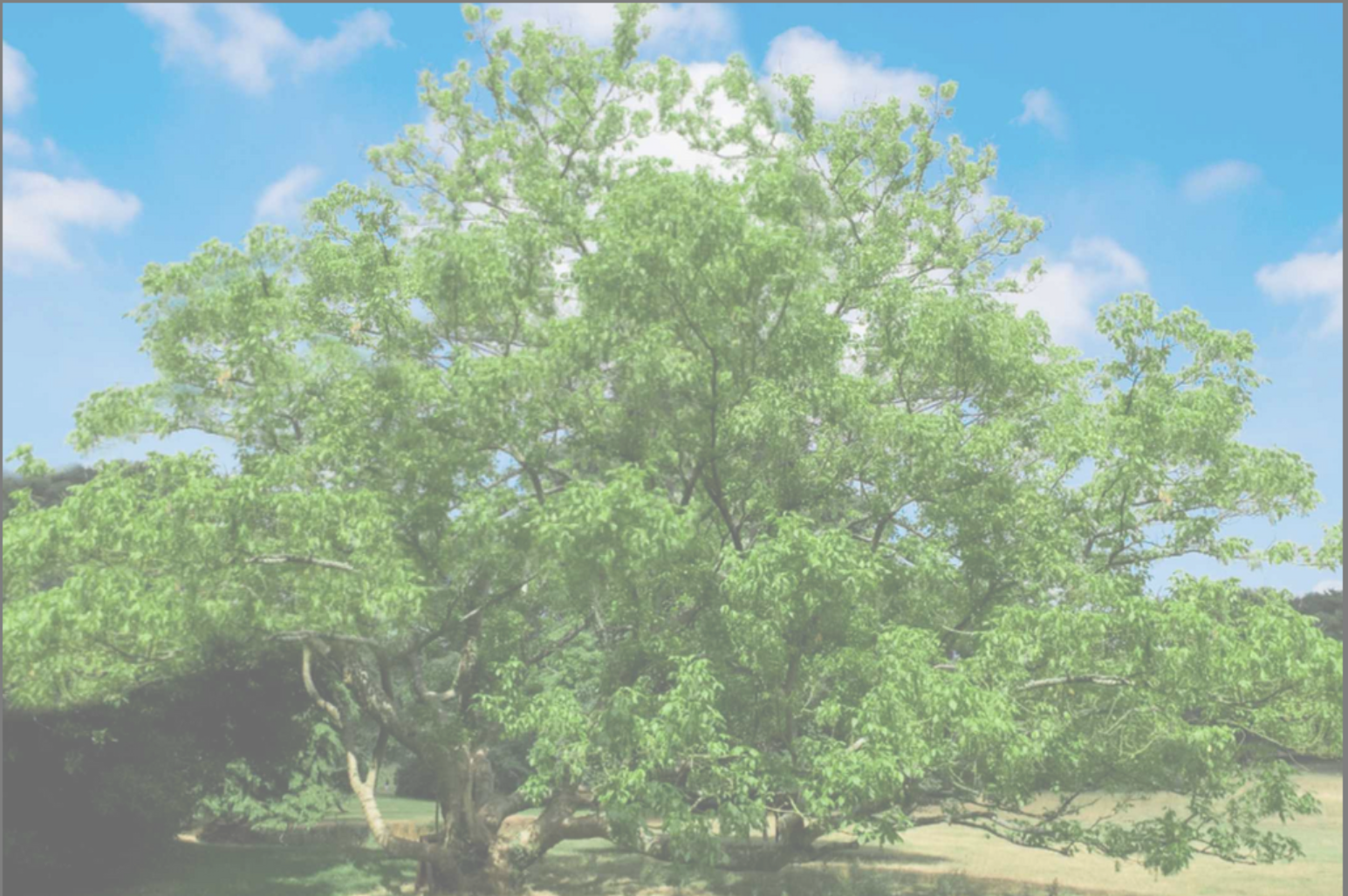
Boxelder
(Acer negundo)
The Rugged, Fast-Growing Native Survivor for Tough Black Hills Sites
Why You’ll Love This Tree:
The Boxelder is often overlooked, but it is one of the toughest, fastest-growing native trees available for the challenging landscapes of the Black Hills. While not as formal as a maple or oak, this tree excels in difficult conditions where others fail. It’s perfect for providing quick shade, windbreaks, or establishing green cover in poor, dry, or rugged sites where immediate results are needed.
Key Features for the Black Hills:
- Incredible Adaptability: The definition of resilient. It thrives in extreme drought, wind, poor soil, urban pollution, and wet areas alike. It can handle any condition South Dakota throws at it (USDA Zones 2-9).
- Fast Shade, Fast Results: Known for its rapid growth rate, providing noticeable shade and landscape structure much quicker than slower-growing hardwoods.
- Native to SD: A true native species that is well-adapted to the local climate and ecosystem.
- Wildlife Habitat: Provides cover for birds and mammals, and the seeds are a valuable food source for various birds, especially the evening grosbeak.
- Unique Foliage: Unlike most maples, its leaves are compound (like an ash tree), giving it a unique texture.
Grower’s Tips:
- Planting: Plant in full sun to partial shade. It tolerates virtually any well-drained to poorly-drained soil.
- Care: Very low maintenance. The tree is rugged and doesn’t require pampering. Prune in late winter for shaping.
- A Note on Boxelder Bugs: This tree is a host for harmless boxelder bugs, which are mostly a nuisance pest that sometimes gather on sunny house walls in fall. Consider this if planting very close to your home.
A boxelder tree typically reaches a height of 30 to 50 feet (9 to 15 meters) and is a fast-growing species, capable of adding 2 feet or more per year.
Size
- Height: Boxelders generally mature to a height of 30 to 50 feet, though some specimens can reach up to 60 or even 75 feet in optimal conditions.
- Spread: The canopy typically spreads a similar distance to its height, forming a rounded, sometimes irregular, crown.
- Trunk Diameter: At maturity, the trunk diameter is often between 1 to 2 feet, but can occasionally be larger.
- Size in the Black Hills: In the Great Plains and West, where it is used in shelterbelts due to its cold and drought tolerance, the tree can grow in a variety of soils. In upland or less favorable soils (which can be common in some Black Hills areas), the tree may be smaller and appear more as a large shrub, only reaching about 25 feet in height with low, crooked branches. In typical Black Hills conditions (elevations around 3,000 to 3,500 feet), expect the tree to be on the lower end of its potential mature size, likely in the 25-40 foot range, especially away from moist stream bottoms.
Growth Rate
- General Rate: Boxelder trees are known for their fast growth, typically growing about 2 to 3 feet in height annually under good conditions.
- Rapid Early Growth: Growth is particularly rapid when the tree is young, often adding long, smooth, green annual shoots of 2 feet or more per year for the first 15 to 20 years.
- Growth in the Black Hills: The boxelder is a hardy tree for severe locations and can tolerate the Black Hills’ climate due to its drought and cold resistance. Its growth rate in the Black Hills will depend on site conditions; growth will be fastest in moist, well-drained soils along streams or in ravines, and slower on dry, upland sites.
Why Choose Boxelder?
If you need a tough, fast-growing, native tree that requires minimal effort to establish and thrive in rugged conditions, the Boxelder is the reliable workhorse you need. It’s the survivor of the Black Hills landscape.
Invest in fast shade and rugged resilience—buy a Boxelder today!